Korean Bibimbap
Highlighted under: Inspired Cooking
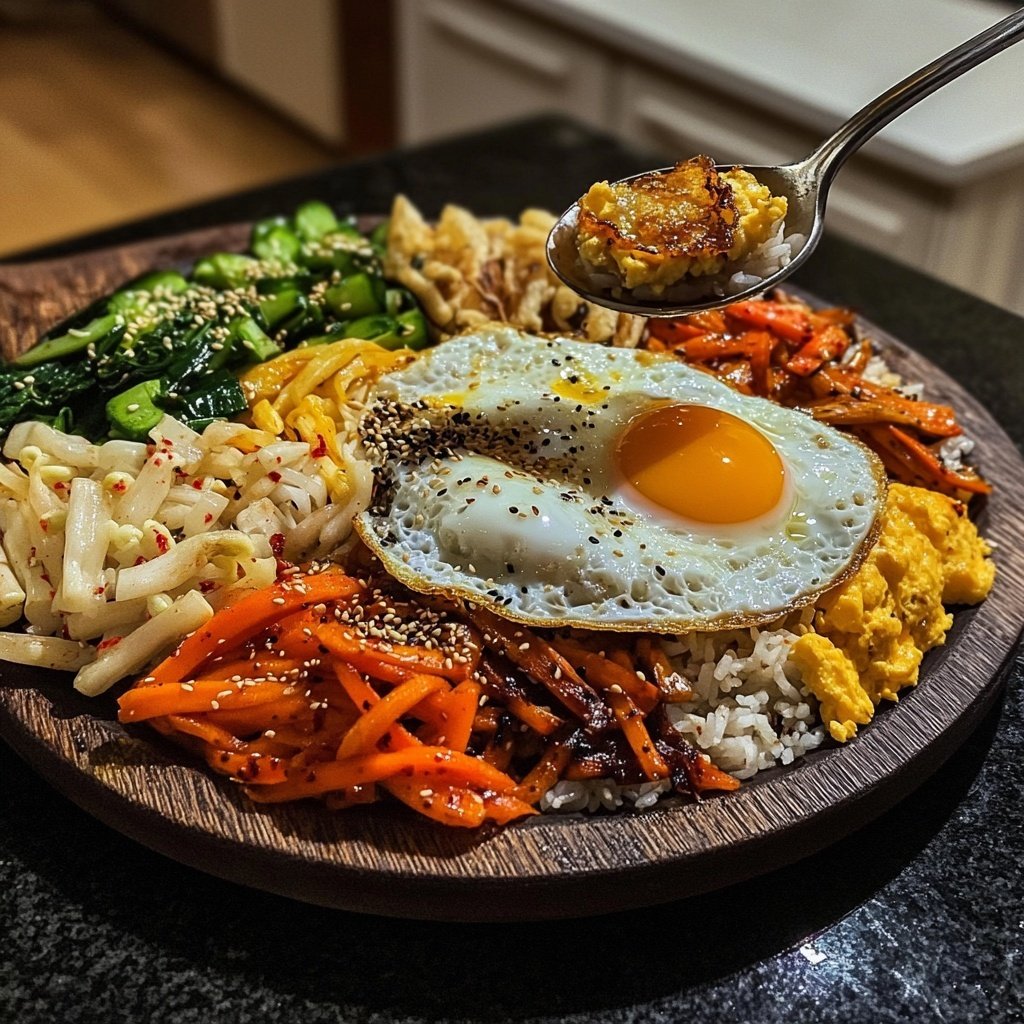
Korean Bibimbap is a colorful and nutritious dish that combines rice with a variety of vegetables, protein, and a spicy sauce, making it a delightful meal for any occasion.
Korean Bibimbap is a traditional Korean dish that translates to 'mixed rice'. It is not only a feast for the eyes but also a wholesome meal packed with flavors and nutrients. The dish is often topped with a fried egg and served with gochujang (Korean chili paste) for an added kick.
Why You Will Love This Recipe
- A vibrant mix of flavors and textures
- Fully customizable with your choice of vegetables and protein
- Healthy and satisfying, perfect for lunch or dinner
The Origins of Bibimbap
Bibimbap is a traditional Korean dish that dates back to the late 19th century. Its name literally means 'mixed rice,' which reflects the core essence of this delicious meal. Originally, bibimbap was served as a royal dish, showcasing the vibrant colors and flavors of various ingredients. It's believed that the dish was created to utilize leftover vegetables and meat, making it both practical and resourceful.
The beauty of bibimbap lies not only in its taste but also in its visual appeal. The colorful array of vegetables and proteins arranged over a bed of rice creates a feast for the eyes. Each ingredient contributes its texture and flavor, ensuring that every bite is a delightful experience. As you mix everything together, the flavors meld beautifully, making it a memorable meal.
Nutritional Benefits
Korean Bibimbap is not just a feast for the senses; it's also packed with nutritional value. The dish is rich in vitamins and minerals from the variety of vegetables used, including spinach, carrots, and zucchini. These ingredients provide essential nutrients that support overall health, making bibimbap a wholesome choice for lunch or dinner.
Additionally, the inclusion of protein, whether it's beef or tofu, enhances the dish's nutritional profile. Protein is vital for muscle repair and growth, and it helps keep you feeling full and satisfied. With the option to customize your bibimbap, you can tailor it to meet your dietary needs, making it suitable for everyone.
Customizing Your Bibimbap
One of the most appealing aspects of bibimbap is its versatility. You can easily customize it based on your preferences or what's available in your pantry. Whether you prefer a vegetarian version or a meat lover's delight, the choice is yours. Experiment with different vegetables like mushrooms, bell peppers, or even seasonal produce for a unique twist.
Moreover, the toppings can also vary. Some people like to add a sprinkle of seaweed, sliced avocado, or even kimchi for an extra kick. The sauce, gochujang, can be adjusted for spice levels or substituted with a milder sauce if desired. This adaptability makes bibimbap a fantastic dish for gatherings, as everyone can build their own bowl to suit their taste.
Ingredients
For the Bibimbap
- 2 cups cooked short-grain rice
- 1 cup spinach, blanched
- 1 cup carrots, julienned
- 1 cup zucchini, julienned
- 1 cup bean sprouts, blanched
- 4 eggs
- 4 tablespoons gochujang
- Sesame oil to taste
- Sesame seeds for garnish
For the Protein (optional)
- 1 cup sliced beef or tofu, marinated and cooked
Feel free to experiment with different vegetables and proteins to suit your taste!
Instructions
Prepare the Rice
Start by cooking the short-grain rice according to package instructions. Once cooked, let it sit covered for a few minutes.
Prepare the Vegetables
Sauté the carrots and zucchini in a little sesame oil until tender. Blanch the spinach and bean sprouts in boiling water for a couple of minutes, then drain.
Cook the Protein
If using beef or tofu, marinate with soy sauce, garlic, and sesame oil, then cook in a pan until done.
Fry the Eggs
In a separate pan, fry the eggs sunny-side up or to your desired doneness.
Assemble the Bibimbap
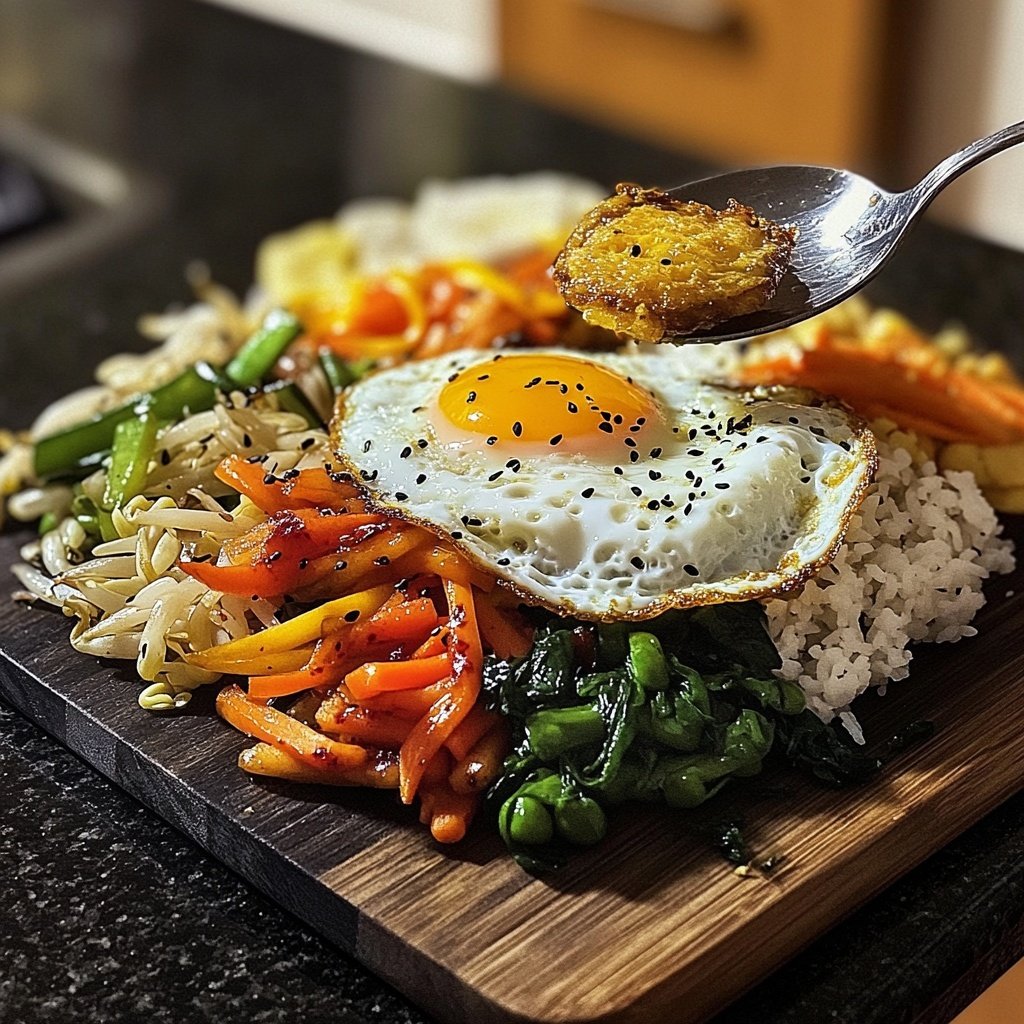
In a bowl, place a scoop of rice, then arrange the vegetables, protein, and fried egg on top. Drizzle with gochujang and sesame oil, then garnish with sesame seeds.
Mix and Enjoy
Before eating, mix all the ingredients together to combine the flavors, and enjoy your delicious Korean Bibimbap!
Serve warm and enjoy the vibrant flavors of this traditional Korean dish!
Pro Tips
- For a vegan version, skip the egg and use tofu or additional vegetables as your protein.
Serving Suggestions
Korean Bibimbap is best served fresh and warm. For an authentic experience, consider presenting it in a hot stone bowl, known as 'dolsot' bibimbap, which creates a crispy layer of rice at the bottom. Pair it with traditional Korean side dishes like kimchi, pickled radishes, or a refreshing cucumber salad to enhance the meal and add variety.
If you're hosting a dinner party, bibimbap can be a fun and interactive dining experience. Set up a bibimbap bar with various toppings and sauces, allowing guests to create their own personalized bowls. This not only makes for a delightful meal but also sparks conversation and creativity.
Storage and Reheating Tips
If you happen to have leftovers, bibimbap can be stored in an airtight container in the refrigerator for up to three days. To maintain the integrity of the ingredients, it's best to store the components separately, especially the fried egg and the gochujang sauce. This way, you can reassemble the dish without compromising on texture.
When ready to enjoy your leftover bibimbap, simply reheat the rice and vegetables in a pan over medium heat. If the rice appears dry, add a splash of water to help steam it. For the egg, you can either reheat it in the microwave or fry a fresh one to top your bibimbap once more, ensuring it retains that delightful runny yolk.
Questions About Recipes
→ Can I make Bibimbap in advance?
Yes, you can prepare the vegetables and protein in advance, but it's best to serve it fresh for the best texture.
→ What can I use instead of gochujang?
You can substitute with another chili paste, but it won't have the same depth of flavor. Adjust to your spice preference.
→ Can I use brown rice instead of white rice?
Absolutely! Brown rice will add more fiber and a nuttier flavor to the dish.
→ Is Bibimbap gluten-free?
Bibimbap can be gluten-free if you use gluten-free soy sauce and ensure all other ingredients are certified gluten-free.
Korean Bibimbap
Created by: Willow Harries
Recipe Type: Inspired Cooking
Skill Level: Intermediate
Final Quantity: 4 servings
What You'll Need
For the Bibimbap
- 2 cups cooked short-grain rice
- 1 cup spinach, blanched
- 1 cup carrots, julienned
- 1 cup zucchini, julienned
- 1 cup bean sprouts, blanched
- 4 eggs
- 4 tablespoons gochujang
- Sesame oil to taste
- Sesame seeds for garnish
For the Protein (optional)
- 1 cup sliced beef or tofu, marinated and cooked
How-To Steps
Start by cooking the short-grain rice according to package instructions. Once cooked, let it sit covered for a few minutes.
Sauté the carrots and zucchini in a little sesame oil until tender. Blanch the spinach and bean sprouts in boiling water for a couple of minutes, then drain.
If using beef or tofu, marinate with soy sauce, garlic, and sesame oil, then cook in a pan until done.
In a separate pan, fry the eggs sunny-side up or to your desired doneness.
In a bowl, place a scoop of rice, then arrange the vegetables, protein, and fried egg on top. Drizzle with gochujang and sesame oil, then garnish with sesame seeds.
Before eating, mix all the ingredients together to combine the flavors, and enjoy your delicious Korean Bibimbap!
Extra Tips
- For a vegan version, skip the egg and use tofu or additional vegetables as your protein.
Nutritional Breakdown (Per Serving)
- Calories: 500 kcal
- Total Fat: 20g
- Saturated Fat: 4g
- Cholesterol: 180mg
- Sodium: 600mg
- Total Carbohydrates: 65g
- Dietary Fiber: 5g
- Sugars: 5g
- Protein: 15g