Small Backyard Chicken Run Plan
Highlighted under: Everyday Cooking
I’ve always dreamed of having my own fresh eggs right from my backyard. After thorough research and planning, I finally crafted a small chicken run that not only provides a cozy home for my hens but also fits perfectly in my limited space. I was surprised at how much joy raising chickens brought to my life. This plan gives you all the details you need to create a functional and safe environment for your feathered friends, ensuring they thrive while adding charm to your garden.
Building my small backyard chicken run was one of the best decisions I made this year. Not only did it give my chickens a safe place to roam, but it also enhanced the aesthetics of my yard. I meticulously studied other chicken runs before settling on my design, ensuring that it had adequate space and ventilation to keep my birds comfortable throughout the seasons.
One important tip I discovered is to include a shaded area within the run. Chickens need to escape the heat, and having a shady spot allows them to cool down during those warm summer days. My hens love it, and I feel good knowing they’re comfortable and happy in their little haven.
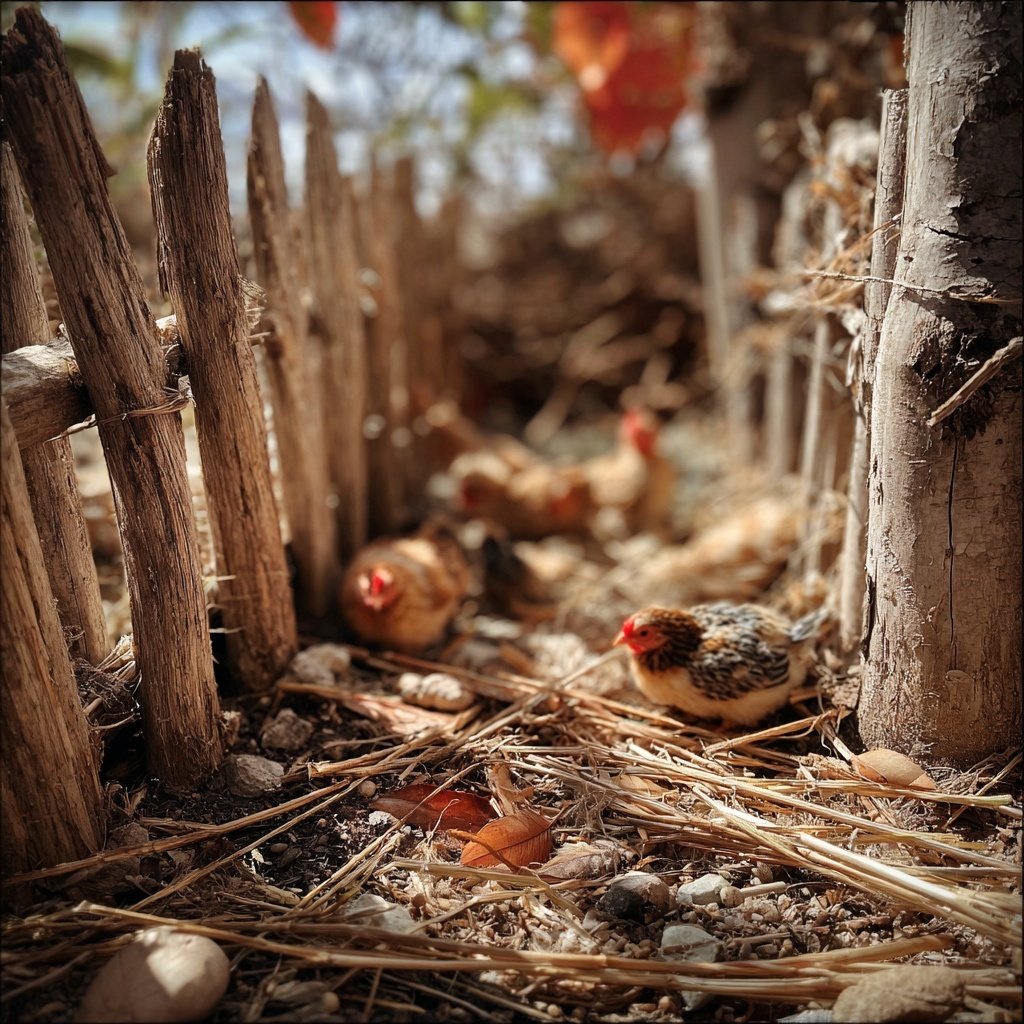
Why You Will Love This Plan
- Easily fits into small backyards.
- Allows for fresh eggs right at home.
- Helps promote sustainability and self-sufficiency.
Understanding Chicken Needs
When planning your chicken run, it's essential to consider the specific needs of your chickens to ensure their well-being. Each chicken requires about 2-3 square feet of run space, so calculate your total area based on how many hens you intend to raise. This space will provide them room to roam and engage in natural behaviors like foraging, dust bathing, and socializing. Providing enough space prevents stress and aggression among the flock, which can lead to health issues.
In addition to space, consider the environmental conditions your chickens will experience. Chickens are hardy animals, but they still need protection from extreme weather. Proper ventilation is crucial; the wire mesh allows airflow while keeping predators out. To help with this, position the run in a shady location to protect your chickens from excessive heat during the summer months, and ensure some shelter from wind and rain.
Building a Safe Environment
The safety of your chickens should be your top priority when constructing the run. By using concrete blocks as the base, you create a solid foundation that not only prevents predators from digging under the fence but also provides stability for the overall structure. Make sure the wooden frame is secured well with nails and screws, focusing on ensuring the corners are reinforced for added support.
Give special attention to the installation of the wire mesh. Fasten it snugly at all edges, ensuring there are no gaps that might allow small predators to squeeze through. A good approach is to bury a portion of the wire mesh underground, extending it outward to further deter digging animals. Regularly inspect your run for any signs of wear or damage; timely repairs will extend the life of your chicken run and keep your flock safe.
Enhancing Your Chicken Run
Enhance your chicken run by integrating elements that stimulate your hens' natural behaviors. Consider adding perches at various heights to encourage climbing and resting, which can be particularly beneficial for your chickens' mental health. These perches can be constructed from sturdy branches or saved wooden planks, providing a space for your hens to roost during the day.
Another great addition is a designated dust bath area filled with a mix of fine sand and diatomaceous earth. Chickens love to dust bathe, helping them keep their feathers clean and free of parasites. You can create a small, contained area within the run for this purpose. Monitor the dust bath and replenish it regularly to maintain its effectiveness and hygiene.
Ingredients
Here’s what you’ll need to get started on your chicken run:
Materials
- Wooden planks (for the frame)
- Wire mesh (for fencing)
- Hinges and latches (for the door)
- Concrete blocks (for the base)
- Nails and screws
- Chicken coop (optional but recommended)
With these materials ready, you can easily construct a robust chicken run.
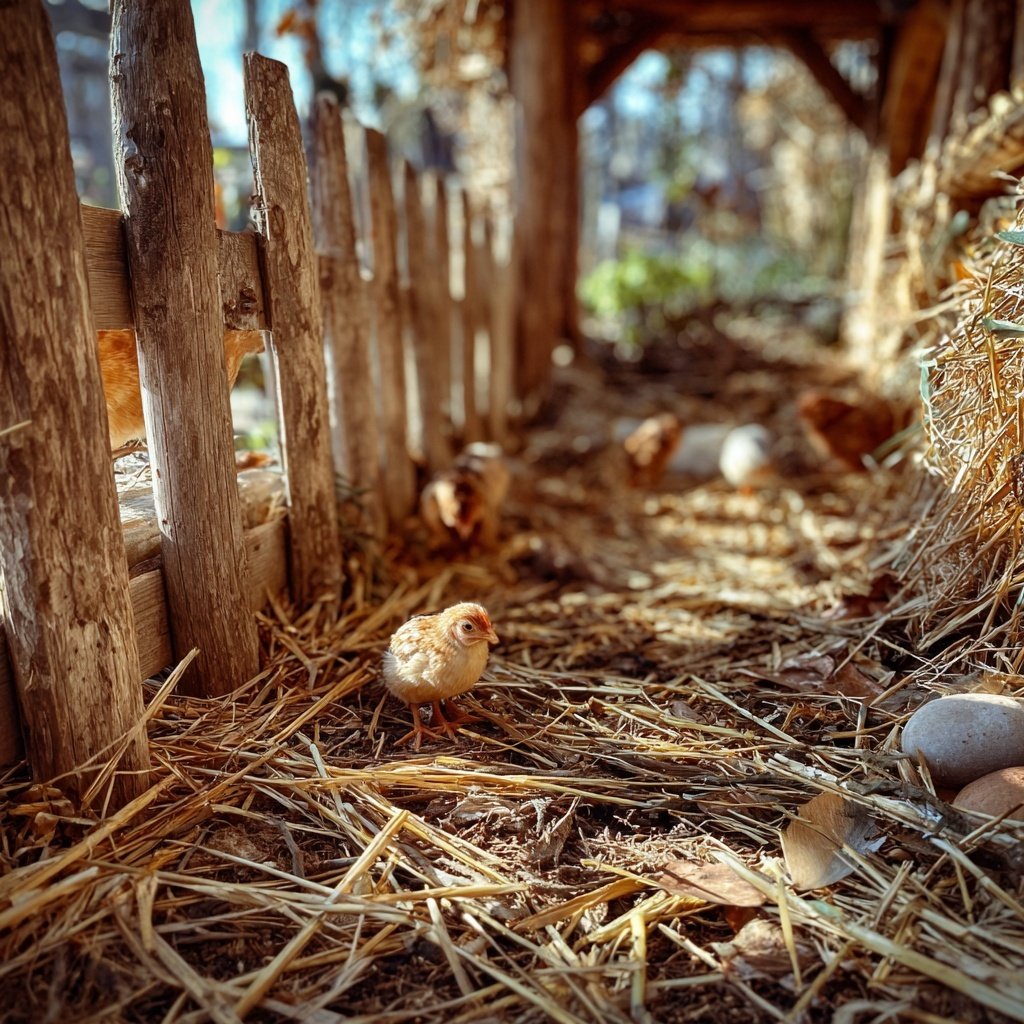
Instructions
Follow these steps to build your chicken run:
Design Your Run
Sketch a layout of your chicken run based on the available space. Consider how many chickens you'll have and ensure there’s enough room for them to move around comfortably.
Construct the Frame
Use the wooden planks to create the frame of your run. Make sure it’s sturdy enough to withstand weather conditions and predators.
Install the Fencing
Attach the wire mesh securely to the frame to keep your chickens safe from predators and to allow ventilation.
Add a Roof (Optional)
If you live in an area with heavy rain or snowfall, consider adding a roof to your run for extra protection.
Create Access Points
Make sure to include a door that allows you easy access to your chickens for feeding and cleaning.
Your chicken run is now complete! Now, sit back, relax, and enjoy watching your chickens thrive in their new environment.
Pro Tips
- Always ensure that the run is well-ventilated and that it receives natural light. Regularly check for any signs of wear and tear to maintain safety.
Chicken Coop Considerations
Including a chicken coop in your run design is highly recommended for the comfort of your hens. A coop provides shelter from harsh weather and a safe resting place during the night. Make sure it's equipped with proper ventilation to prevent moisture buildup, which can lead to respiratory issues in chickens. The coop should also include nesting boxes – one for every 3-4 hens – for laying eggs comfortably.
For easy maintenance, consider positioning the coop with an access point that allows you to collect eggs conveniently without disturbing the chickens too much. Adding a removable tray underneath nesting boxes can simplify cleaning; regularly remove waste and old bedding to maintain a healthy environment for your chickens.
Future Upgrades
Once your chicken run is established, you might consider adding enhancements that will further benefit your flock. You could install a small chicken door that allows your hens to access the run during the day and return to the coop at dusk, promoting natural behavior and reducing your need for manual oversight. Solar-powered automatic doors are a great option to explore.
If you're interested in additional sustainability practices, consider creating a compost area nearby for kitchen scraps and chicken droppings. This not only reduces waste but also provides you with rich soil for your garden. Just remember to maintain balance in your compost by layering materials appropriately to avoid pests or odors.
Questions About Recipes
→ How much space do chickens need?
Chickens generally require about 4 square feet of space per bird inside the coop and 10 square feet in the run.
→ Can I let my chickens free-range?
Yes, but be cautious of predators. A secure run helps to keep them safe while allowing supervised free-ranging.
→ What materials are best for building a chicken run?
Wood, wire mesh, and sturdy hinges are recommended. Ensure materials are durable and weather-resistant.
→ How often should I clean the chicken run?
It’s best to clean the run every week, removing waste and replacing bedding to maintain a healthy environment.
Small Backyard Chicken Run Plan
What You'll Need
Materials
- Wooden planks (for the frame)
- Wire mesh (for fencing)
- Hinges and latches (for the door)
- Concrete blocks (for the base)
- Nails and screws
- Chicken coop (optional but recommended)
How-To Steps
Sketch a layout of your chicken run based on the available space. Consider how many chickens you'll have and ensure there’s enough room for them to move around comfortably.
Use the wooden planks to create the frame of your run. Make sure it’s sturdy enough to withstand weather conditions and predators.
Attach the wire mesh securely to the frame to keep your chickens safe from predators and to allow ventilation.
If you live in an area with heavy rain or snowfall, consider adding a roof to your run for extra protection.
Make sure to include a door that allows you easy access to your chickens for feeding and cleaning.
Extra Tips
- Always ensure that the run is well-ventilated and that it receives natural light. Regularly check for any signs of wear and tear to maintain safety.